Hotel Trópico Latino
 October 16, 2026
 Hotel Trópico Latino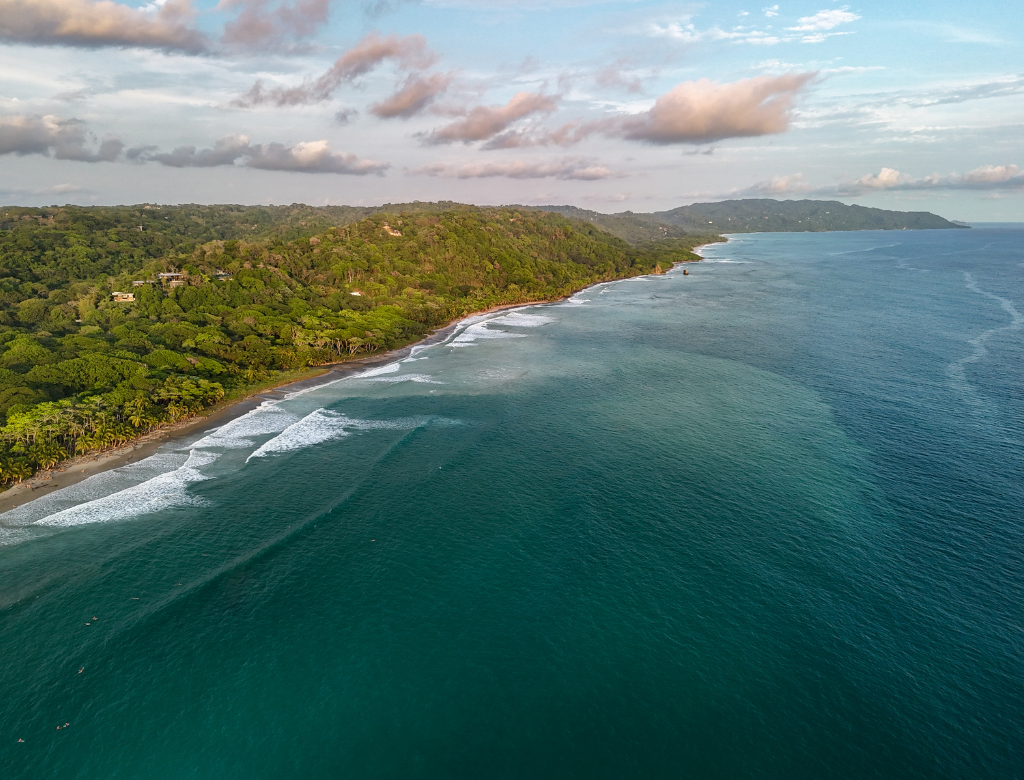
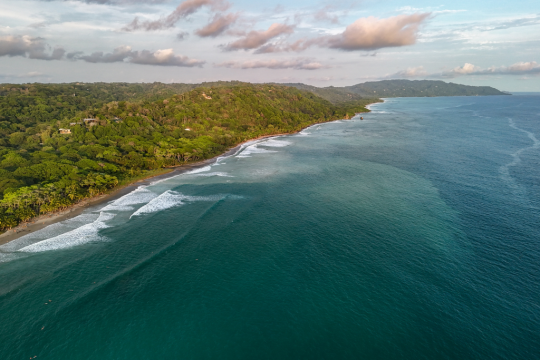
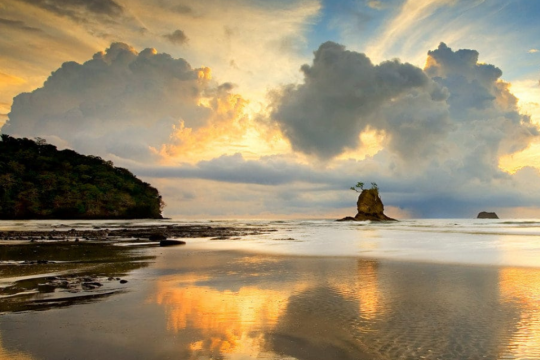
Beyond its Pacific beaches, the Nicoya Peninsula is a region of small communities, traditional flavors, tropical landscapes and everyday moments that reveal another side of Costa Rica.
The Nicoya Peninsula stretches along Costa Rica’s Pacific coast and brings together beaches, rural communities, tropical dry forest and small towns. Its landscapes and pace vary from one place to another. Some areas are lively and visitor-oriented; others feel quieter and more closely connected to local agriculture, fishing and community life.
Rather than trying to see everything in one day, choose a few places that interest you and allow time for unplanned stops. A scenic drive, a local market or a simple meal can become as memorable as a well-known viewpoint.
One of the easiest ways to experience local life is to spend time in the communities along the way. Stop at a bakery, browse a small shop, visit a farmers’ market when one is operating, or take a break at a family-run soda. These everyday places offer a more personal perspective than moving only between tourist attractions.
You will likely hear pura vida, a familiar Costa Rican expression used in many contexts: as a greeting, a response, a thank-you or a way to express an easygoing outlook. Its meaning changes with the moment, but it is part of the country’s conversational identity.
For deeper cultural context, the Costa Rican Tourism Board shares ideas for discovering the traditions and attractions of the Nicoya and Santa Cruz area in its guide to local attractions in Santa Cruz and Nicoya.
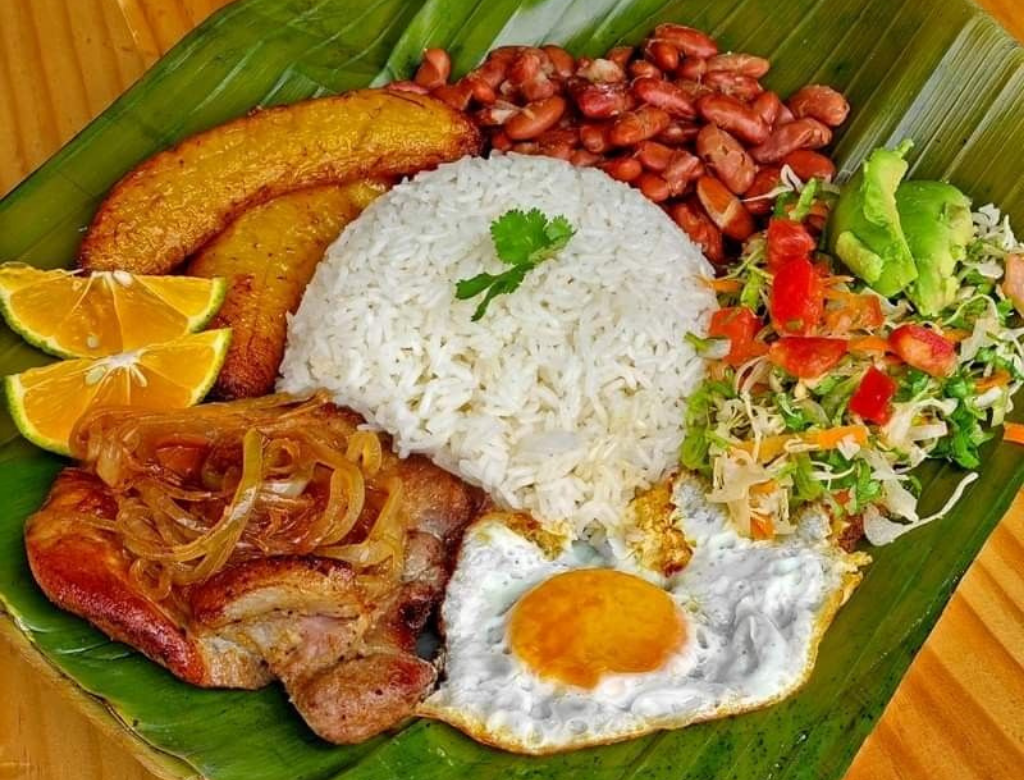
Food is an accessible way to connect with Costa Rican culture. Look for casado, a meal often served with rice, beans, salad, plantains and a choice of protein; gallo pinto, a breakfast favorite; and handmade corn tortillas. Recipes and ingredients vary between households and communities, so ask what is typical or freshly prepared that day.Santa Teresa
Along the coast, seafood may also feature on menus, depending on availability. Ceviche, grilled fish and other seafood dishes pair naturally with the Pacific setting, while seasonal tropical fruit brings freshness to the tablSanta Teresae.
Nicoya’s culinary heritage goes beyond familiar restaurant dishes. The Ministry of Culture has documented traditional Nicoyan foods and recipes, including preparations made with corn and other local ingredients, in its article about traditional Nicoyan cuisine.
The Nicoya Peninsula is also associated with Costa Rica’s Blue Zone, a term used for an area recognized for its concentration of people living to older ages. It is best to approach the subject with care: wellbeing and longevity are influenced by many factors, and no single lifestyle or destination guarantees a particular outcome.
For travelers, the useful takeaway is simpler: make time to be outdoors, share meals, connect with people and avoid packing every hour with activities. Let the destination set the pace rather than treating it as a checklist.
Santa Teresa is a compelling base for travelers who want to balance exploration with time by the sea. Spend a morning discovering nearby communities or landscapes, then return to the beach to swim, rest or watch the light change over the Pacific.
At Trópico Latino’s beachfront accommodations, the experience is about more than having a place to sleep: it is about being close to the ocean while staying connected to Santa Teresa. The hotel also brings together dining, wellness and activities, so guests can shape their stay around the experiences that matter to them. Explore the hotel’s experiences, dining and wellness offerings as you plan your visit.
For a meal by the sea, make time for Shambala, the restaurant at Trópico Latino. It is a natural stop to include in a day that combines the flavors of the region with Santa Teresa’s beachfront atmosphere.

Stay close to the Pacific and make Trópico Latino your base for discovering the Nicoya Peninsula.
The Nicoya Peninsula is known for its Pacific beaches, surf destinations, rural communities, tropical landscapes and the Nicoya Blue Zone. Its character varies across towns and coastal areas.
Try Costa Rican staples such as casado, gallo pinto and handmade corn tortillas, along with seasonal fruit and seafood where available. Ask local restaurants about regional specialties.
Santa Teresa can be a convenient base for combining beach time with selected excursions around the peninsula. Travel times depend on your destination, route and road conditions, so plan day trips in advance.
The term refers to an area of the peninsula associated with research and public interest in longevity. It is not a guarantee of health outcomes, and longevity is influenced by many social, environmental and individual factors.
Support locally owned businesses, ask permission before photographing people, follow guidance in natural areas and be considerate of residents’ privacy. Treat towns as living communities, not just attractions.
It depends on your priorities and the places you plan to visit. Conditions change by season, so check local weather and road conditions close to your travel dates and keep your itinerary flexible.
Yes. Santa Teresa has a mix of local and international dining options. Guests staying at Trópico Latino can also enjoy Shambala, the hotel’s restaurant, as part of their beachfront stay.