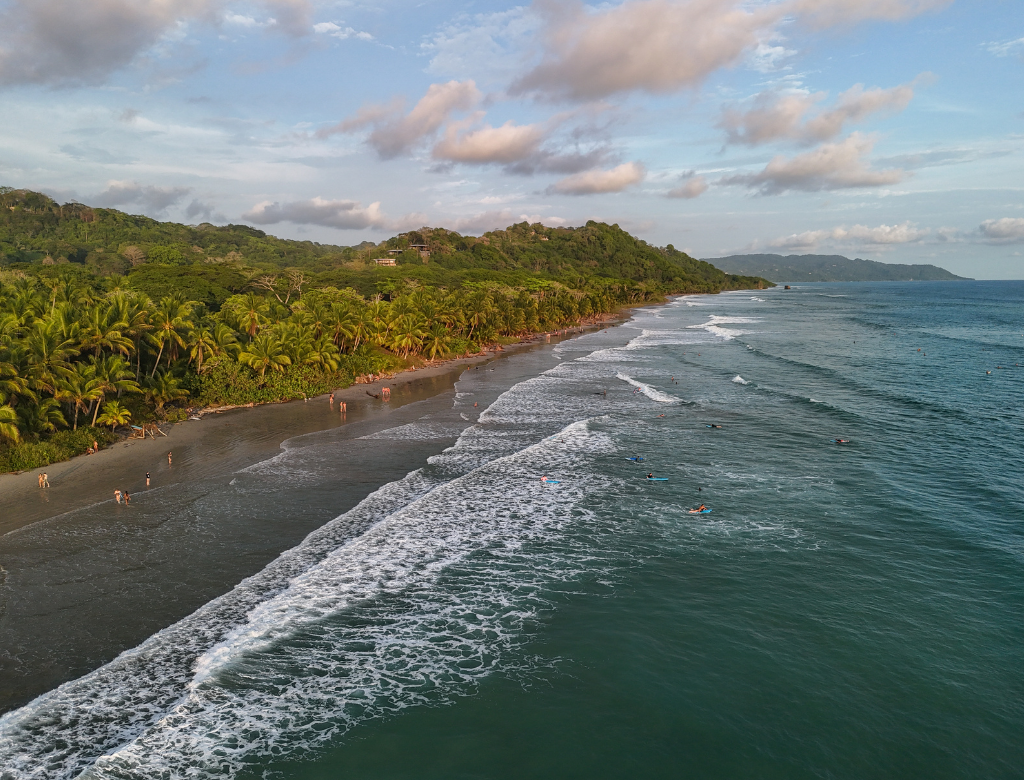
Most visitors to Costa Rica follow a predictable route: Arenal, Manuel Antonio, maybe Monteverde. These are good destinations — popular for reasons that hold up. But the Nicoya Peninsula, where Santa Teresa sits, has more going on than most itineraries capture. Waterfalls, wildlife reserves, remote beaches, and small towns that feel nothing like the tourist circuit are all within reach
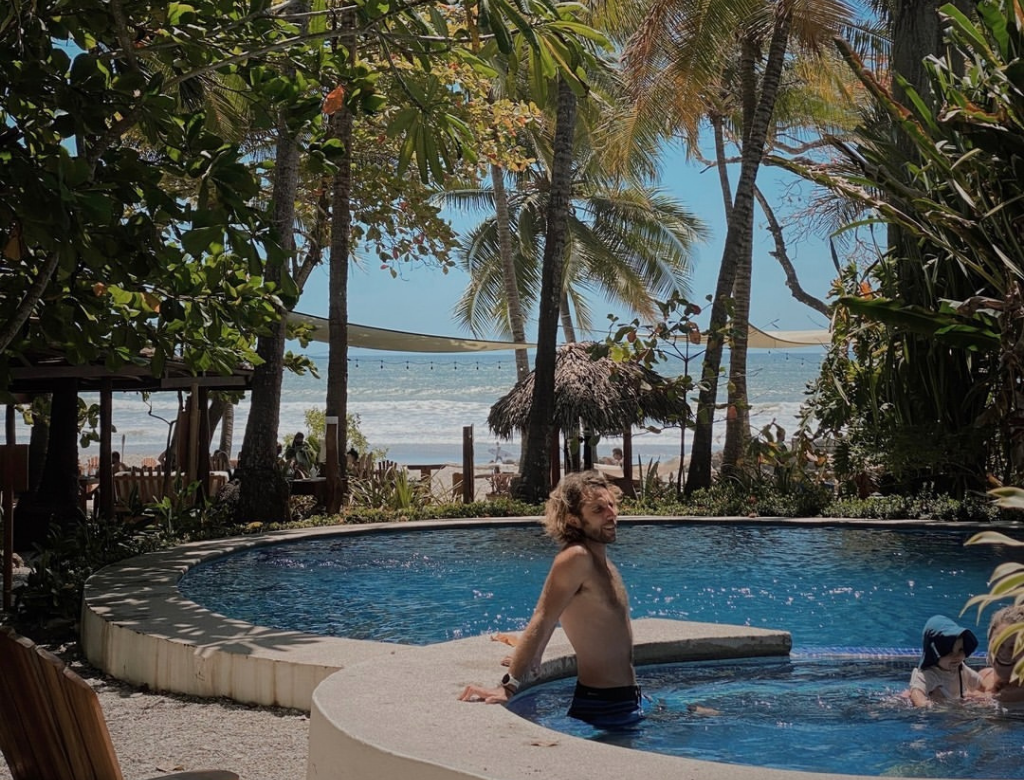
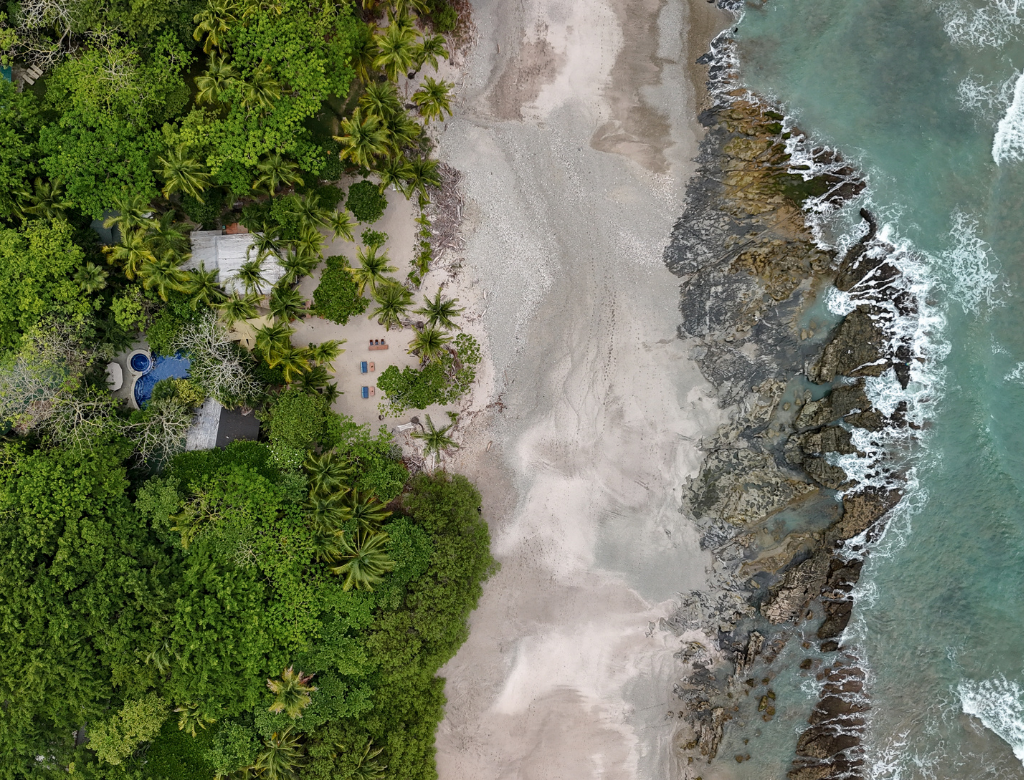
Santa Teresa is one of those places that takes about half a day to adjust to. The pace is different — slower, more physical, organized around tides and surf conditions rather than schedules. Finding the right place to stay makes that transition easier. Hotel Trópico Latino, located directly on Playa Carmen in the center of Santa Teresa, has been that
Santa Teresa doesn’t try to be a honeymoon destination in the manufactured sense. There’s no choreographed romance package with rose petals on arrival and a scripted itinerary. What it has instead is something harder to replicate: a beachfront setting that feels genuinely removed from ordinary life, waves that fill the morning with sound, a pace that slows people down without
Costa Rica is one of the more approachable countries in Central America for first-time visitors. Entry is straightforward, English is widely spoken in tourist areas, and the infrastructure for travel is developed enough to be reliable. That said, a few things work differently than travelers expect — and getting clear on them before you arrive makes the trip significantly smoother.
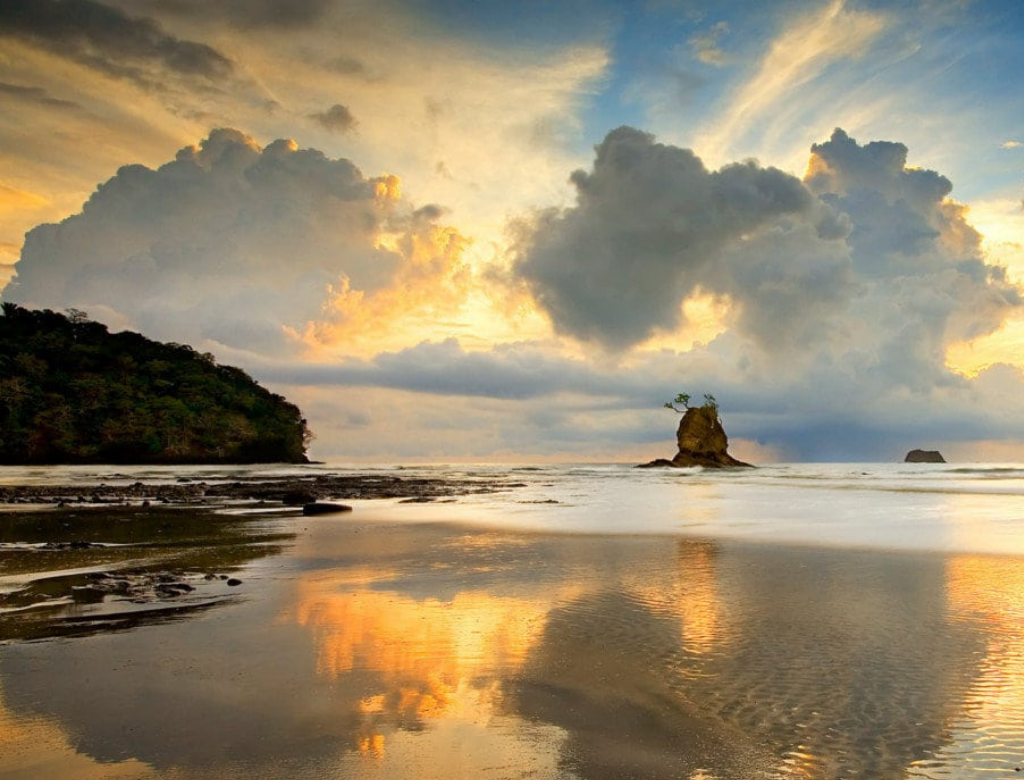
Most beachfront restaurants in Costa Rica sell the location. Shambala does that too — the tables face the Pacific directly, the sunset happens in front of you, and the sound of waves is the background to every meal. But the food, the drinks, and the daily programming at Shambala are what bring people back more than once during a stay
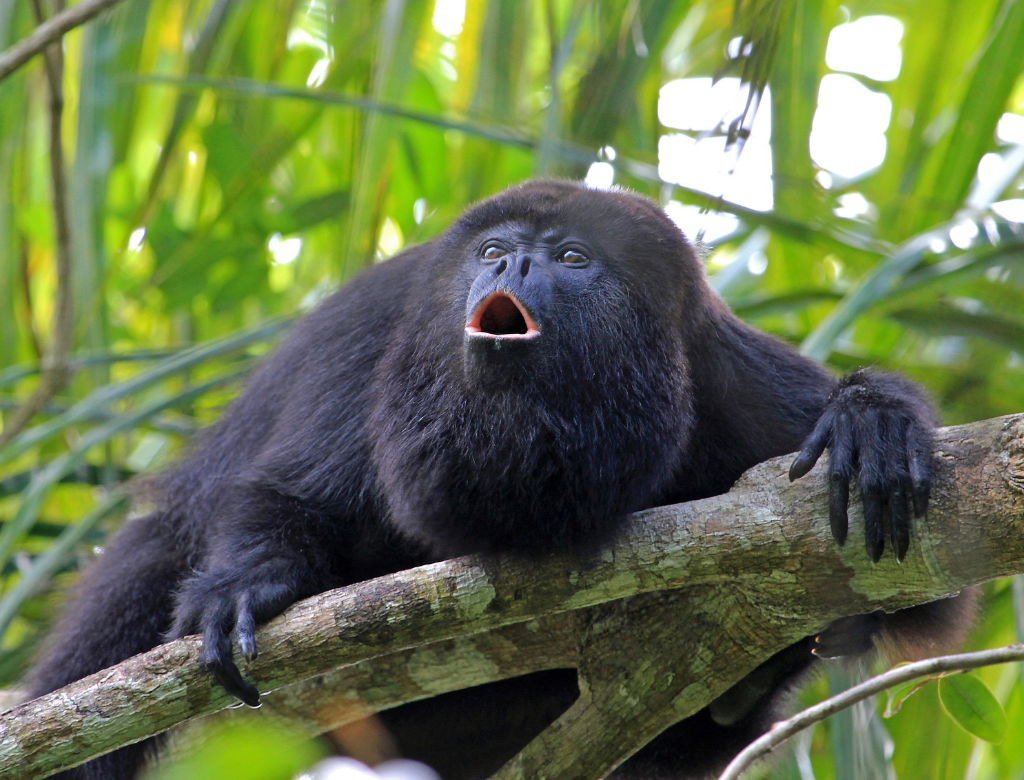
Most travelers plan their Costa Rica trips around the dry season — clear skies, predictable weather, easy beach days. What they miss is that the green season, roughly May through November, is when the country’s wildlife is at its most active. Breeding cycles, nesting seasons, whale migrations, and amphibian activity all peak during this window. If wildlife is a priority,