Hotel Trópico Latino
 September 8, 2026
 Hotel Trópico Latino
Most visitors to Costa Rica follow a predictable route: Arenal, Manuel Antonio, maybe Monteverde. These are good destinations — popular for reasons that hold up. But the Nicoya Peninsula, where Santa Teresa sits, has more going on than most itineraries capture. Waterfalls, wildlife reserves, remote beaches, and small towns that feel nothing like the tourist circuit are all within reach of a base in Santa Teresa.
This is a guide to what’s actually around the Nicoya Peninsula — and a few destinations further afield worth the effort to reach.
Santa Teresa is the most visited town on the southern Nicoya Peninsula, but it’s not the only reason to be here. The peninsula itself — designated as one of the world’s Blue Zones for the longevity of its residents — has a character that extends well beyond beach bars and surf schools.
The landscape shifts quickly as you move away from the coast. Dirt roads lead into dry tropical forest, river crossings, and hillside farms. The pace drops noticeably. Villages like Mal País, Cóbano, and Cabuya each have their own feel and reward travelers who spend time exploring rather than just moving between beaches.
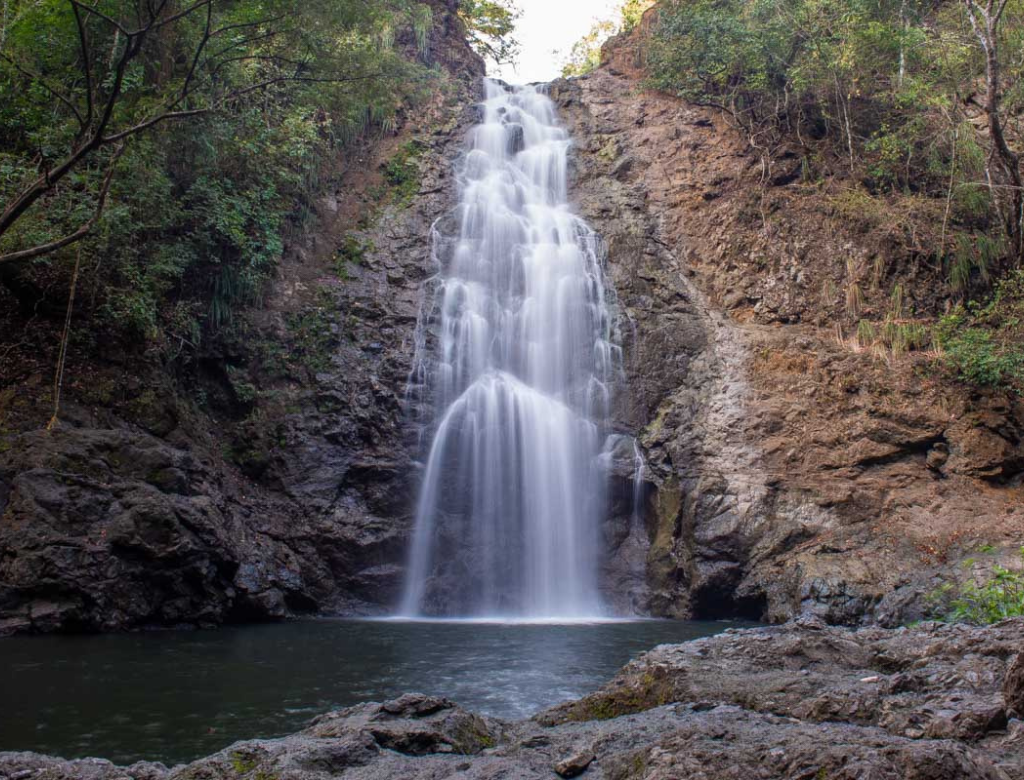
About 12 km southeast of Santa Teresa, Montezuma is one of the more characterful towns on the peninsula. Smaller, more bohemian, and home to a waterfall that draws visitors who’d otherwise skip it entirely.
The Montezuma Waterfall is a 20–30 minute walk from the town center along a river trail. The falls drop into a natural swimming pool surrounded by forest — one of the more accessible natural swimming spots in the region. A second and third tier above the main falls require more scrambling but offer more solitude.
Montezuma also has its own small beach, a handful of good restaurants, and a market. It’s a solid half-day trip from Santa Teresa — different enough in character to feel like a genuine contrast.
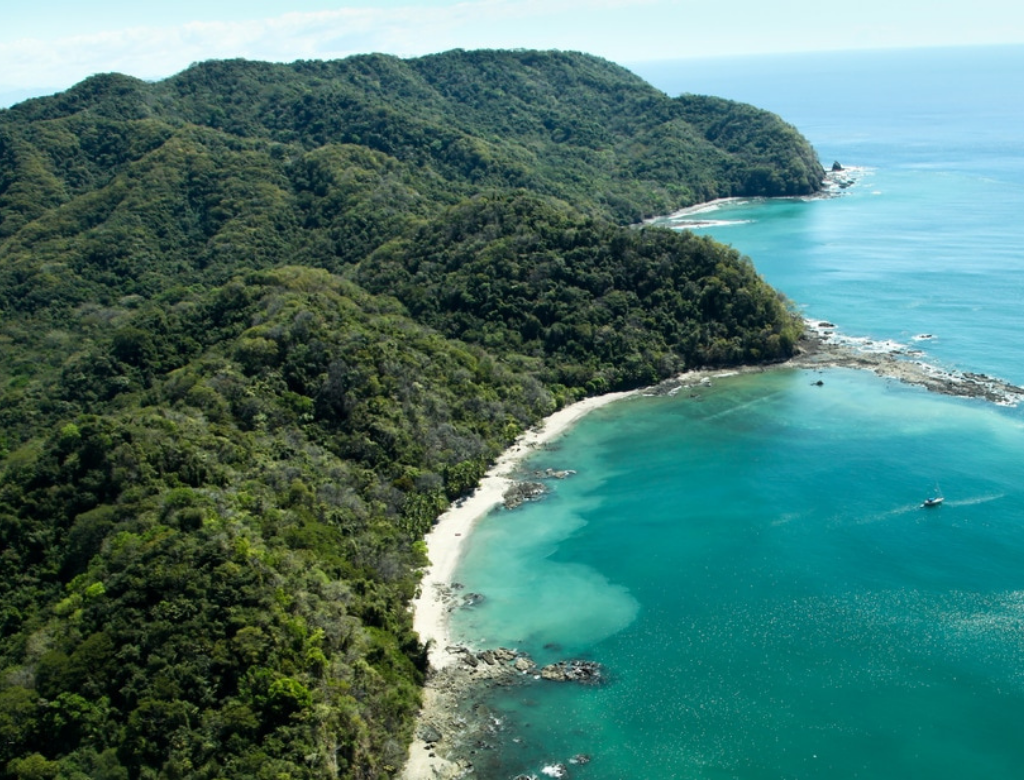
Cabo Blanco Nature Reserve sits at the absolute southern tip of the Nicoya Peninsula, about 11 km from Santa Teresa. It was Costa Rica’s first protected area, established in 1963, and it shows — the forest here is dense, relatively undisturbed, and genuinely different from the vegetation closer to town.
The main trail runs through primary and secondary forest down to Playa Cabo Blanco, a remote beach accessible only on foot. The hike takes about 45 minutes each way. Along the route, howler monkeys, white-faced capuchins, coatis, and a wide range of birds are commonly seen. The beach at the end — no facilities, no vendors, no other access — is the kind of place that reminds you why protected areas matter.
The reserve is closed on Mondays and Tuesdays. Entry requires a small fee paid at the entrance. Bring water, wear trail shoes, and go early — the forest is cooler in the morning and wildlife is more active.
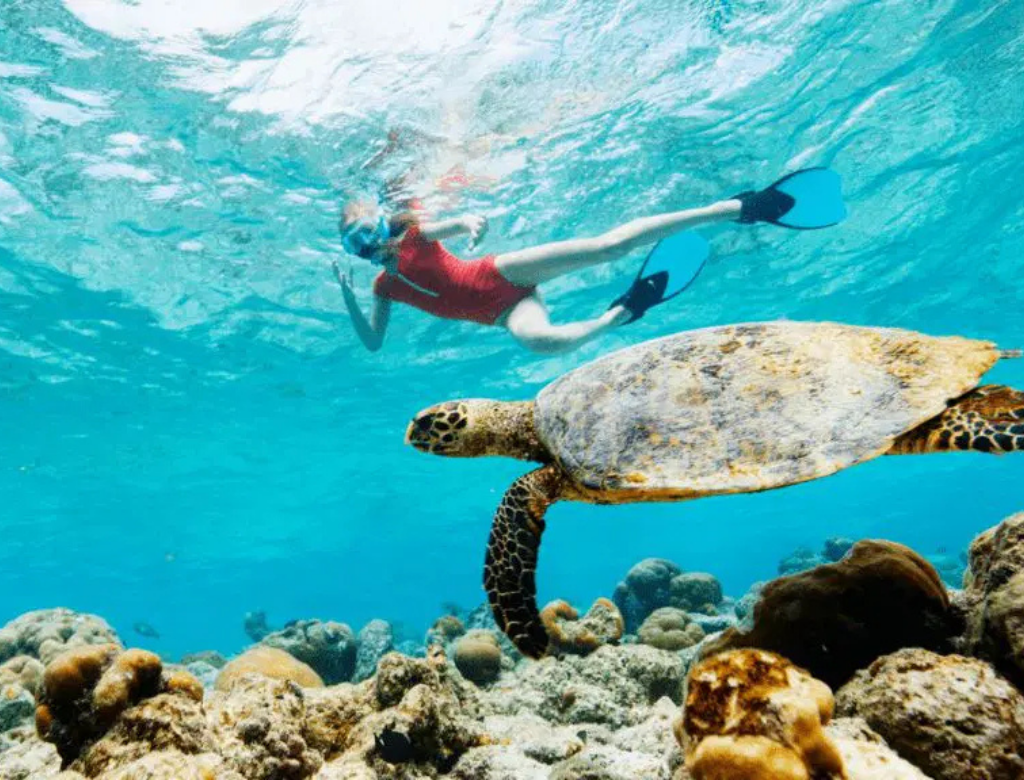
About an hour by boat from the southern Nicoya coast, Isla Tortuga is a day trip that works well for travelers who want something different from the mainland beaches. The island has clear water, white sand, and good snorkeling in the surrounding reef — a contrast to the darker sand and surf-oriented beaches around Santa Teresa.
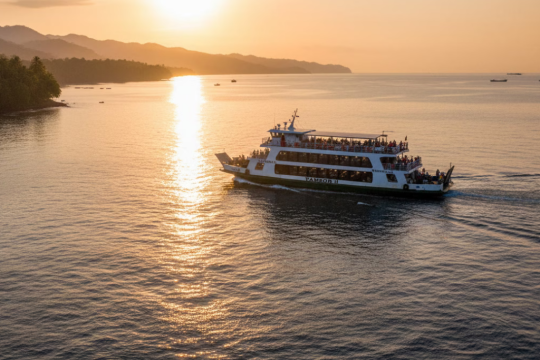
Boat tours to Isla Tortuga typically depart from Montezuma or Tambor and include snorkeling, kayaking, and lunch. It’s one of the more popular day trips from the peninsula and works particularly well for families or groups who want a structured day on the water. Book in advance during high season.
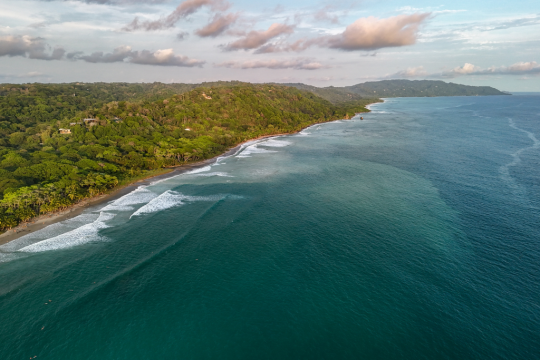
Most travelers staying in Santa Teresa spend their beach time on Playa Carmen — which is convenient and consistent. But the coastline stretches significantly in both directions and rewards exploration.
Playa Hermosa runs south of Carmen and picks up more swell, making it better for experienced surfers. It’s also noticeably quieter — fewer vendors, fewer people, more space.
Playa Manzanillo and the beaches north of Santa Teresa toward Malpaís have a rougher, more local feel. Rocky sections at low tide expose tide pools worth exploring — starfish, sea urchins, small fish, and occasional octopus.
Playa Los Suecos and other smaller beaches accessible by quad or on foot along the coast offer complete solitude on most days. Ask locally about current access and conditions — some require navigating unmarked paths or river crossings that change with the tide.
If your trip extends beyond the Nicoya Peninsula, a few destinations are worth the additional travel:
Río Celeste and Tenorio Volcano National Park — a four-hour drive north, the Río Celeste turns a vivid sky blue due to a natural chemical reaction where two rivers meet. The trail takes two to three hours round trip through rainforest. One of the more genuinely surprising landscapes in Costa Rica.
Manuel Antonio National Park — about three hours by road from Santa Teresa (ferry + drive). Combines beach, forest, and some of the highest wildlife density of any park in the country. A reliable choice for travelers who want guaranteed wildlife sightings in a compact area.
Corcovado National Park, Osa Peninsula — the most biodiverse place in Costa Rica and one of the most biodiverse on Earth. Remote, requires a guide, and takes significant travel time from the Nicoya Peninsula. Worth it for travelers with an extra two or three days and a serious interest in wildlife.
One of the practical advantages of staying at a beachfront hotel like Hotel Trópico Latino in Santa Teresa is that most of the Nicoya Peninsula’s highlights are within reach for day trips. Cabo Blanco, Montezuma, and Isla Tortuga are all under an hour. The beaches to the north and south are accessible by quad in minutes.
For destinations further afield — Arenal, Manuel Antonio, the Osa — the question is whether to day trip (difficult given distances) or break the stay into two locations. The hotel team can help with logistics and local operator recommendations for any of these.
A quad or ATV handles most local exploration comfortably. For destinations like Cabo Blanco or Montezuma, a taxi or local shuttle works. A 4×4 vehicle is useful for the rainy season when some dirt roads become difficult.
The trail is moderate — about 45 minutes each way on a forest path. It’s manageable for older children who are comfortable hiking. Very young children may find the distance challenging.
Yes. Both are in the same direction from Santa Teresa. Visit Cabo Blanco in the morning (it’s cooler and wildlife is more active), then stop in Montezuma for lunch and the waterfall in the afternoon.
For travelers who want a day completely different from surfing and beach time on the mainland, yes. The snorkeling is the main draw. If you’ve already done Caribbean snorkeling or similar reef experiences, the novelty is lower.
Hotel Trópico Latino is located directly on Playa Carmen in Santa Teresa — a natural base for exploring the Nicoya Peninsula and beyond.
WhatsApp: +506 8453 3422
Website: www.hoteltropicolatino.com