Hotel Trópico Latino
 September 3, 2026
 Hotel Trópico Latino
 Most travelers plan their Costa Rica trips around the dry season — clear skies, predictable weather, easy beach days. What they miss is that the green season, roughly May through November, is when the country’s wildlife is at its most active. Breeding cycles, nesting seasons, whale migrations, and amphibian activity all peak during this window. If wildlife is a priority, the rainy season isn’t a compromise. It’s often the better choice.
This guide covers what’s happening in the natural world during Costa Rica’s green season, with a focus on the Nicoya Peninsula and the Pacific coast around Santa Teresa.
 Sea Turtle Nesting Season
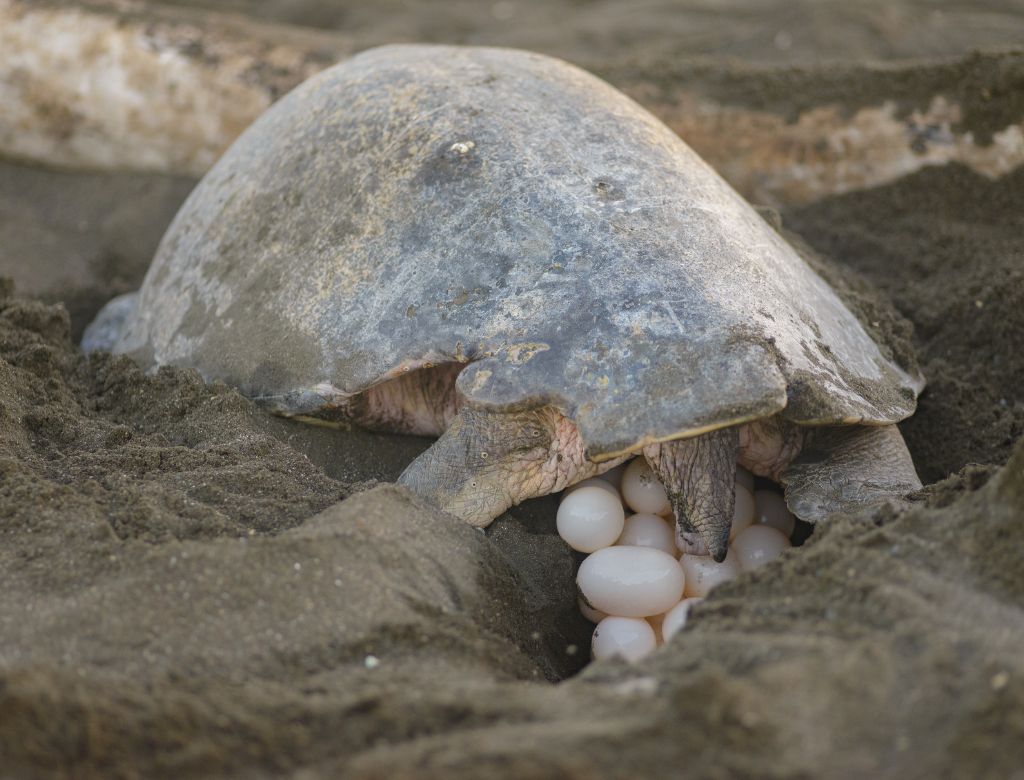
Sea turtles are arguably the most anticipated wildlife event of the green season on Costa Rica’s Pacific coast. Multiple species nest from May through November, with peak activity varying by species and location.
Olive ridley sea turtles are the most commonly seen species on the Pacific coast. On the Nicoya Peninsula, Ostional Wildlife Refuge — located north of Nosara — is one of the most important nesting sites in the world for this species. The refuge hosts the phenomenon known as the arribada: mass nesting events where hundreds of thousands of turtles come ashore simultaneously, typically around the new moon. These events occur primarily between July and December, with August through October being the most reliable window.
Closer to Santa Teresa, olive ridley turtles do nest on local beaches during the green season. Sightings are less predictable than at Ostional — this is wild behavior, not a managed attraction — but guests staying at beachfront properties like Hotel Trópico Latino have reported encounters directly on Playa Carmen during nesting season. The key is being on the beach after dark during the right window and knowing what to look for.
Hawksbill turtles also nest in the greater Nicoya Peninsula region. The area around Montezuma and Cabo Blanco has documented hawksbill activity, and the Osa Peninsula hosts four species of nesting turtles from April through November.
Responsible viewing: Never use flash photography near nesting turtles. Keep distance, follow local guides, and avoid disturbing tracks or nest sites.
 Humpback Whale Season
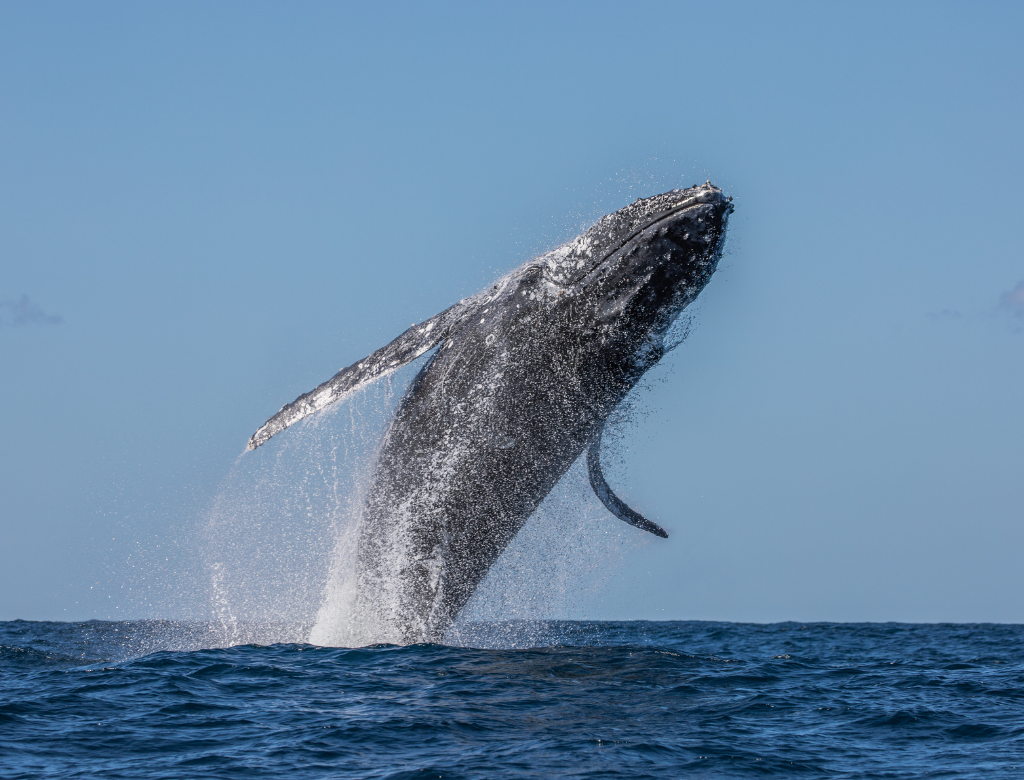
Costa Rica has one of the longest humpback whale seasons in the world — nearly year-round visibility due to migrations from both hemispheres. The green season captures the Southern Hemisphere population: humpbacks migrating from Antarctic feeding grounds arrive in Costa Rica’s Pacific waters from approximately July through November, with August and September being peak months for sightings.
These whales travel roughly 8,000 kilometers from Antarctica to breed and nurse calves in Costa Rica’s warm, protected waters. Watching a humpback breach from a small boat off the Pacific coast is one of the more striking wildlife experiences the country offers — and during green season, boat tours operate with fewer passengers than peak season crowds.
The best spots on the Pacific coast for whale watching during green season are the waters around Uvita and Marino Ballena National Park in the Southern Pacific, and the area off the Osa Peninsula near Drake Bay. For travelers based in Santa Teresa, day trips south to these areas are feasible and worth organizing.
 Scarlet Macaws, Toucans, and Bird Life
Green season is also prime time for birdwatching throughout Costa Rica. The return of rains triggers nesting cycles for many resident species, and the lush vegetation that comes with the rainy months increases habitat density and makes certain species more active and visible.
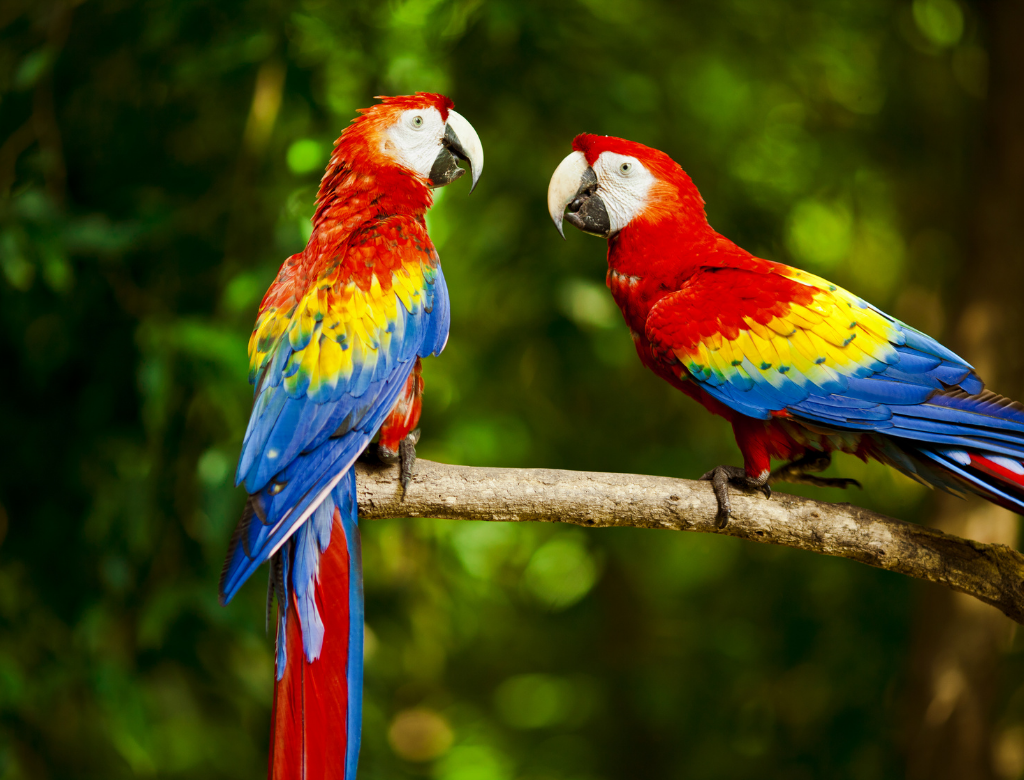
Around Santa Teresa and the Nicoya Peninsula, scarlet macaws are year-round residents but are particularly active during the green season as they nest and raise chicks. Pairs are commonly spotted flying over the coastline and foraging in the trees inland from the beach. Toucans, motmots, and a range of hummingbird species are also active during this period.
Cabo Blanco Nature Reserve, located at the southern tip of the Nicoya Peninsula about 11 km from Santa Teresa, is one of the better birding spots in the region. The reserve is closed Mondays and Tuesdays, but the trail system on open days offers reliable wildlife sightings in a protected forest environment.
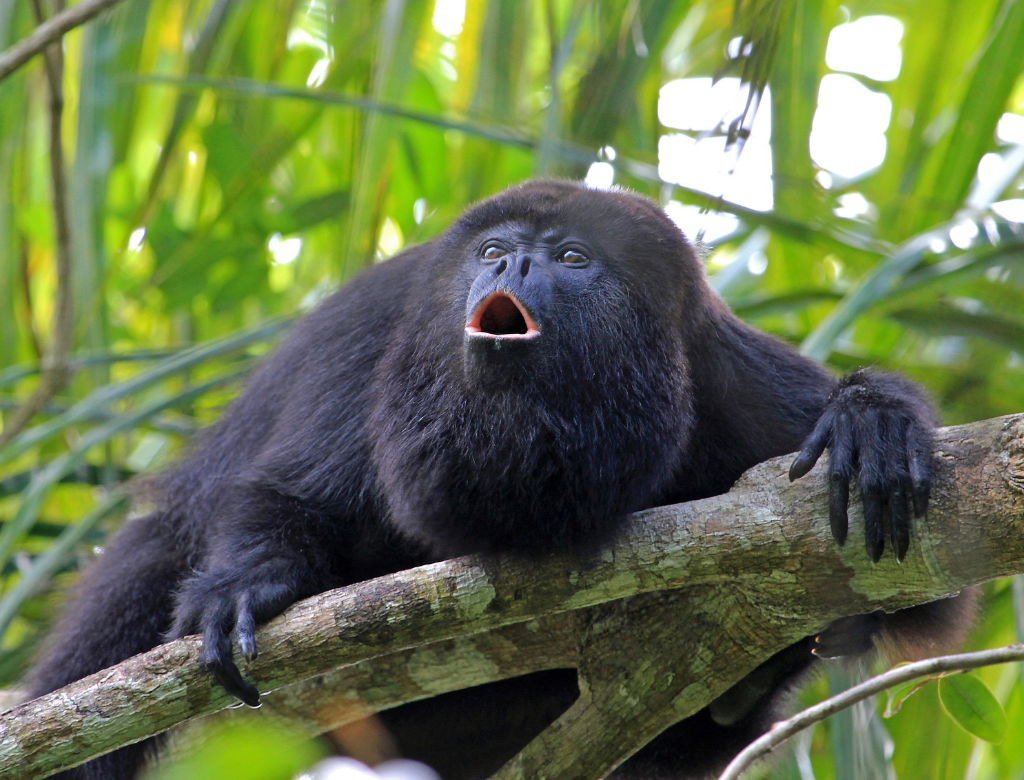
Guests at Hotel Trópico Latino don’t need to go far for wildlife encounters. Howler monkeys pass through the tree lines bordering the property regularly in the early morning — their calls are often the first sound of the day before sunrise. During green season, the vegetation is at its densest and the monkeys are more active as food sources increase.
Iguanas are visible year-round on walls, branches, and sun-warmed surfaces around the property and Santa Teresa generally. Green season doesn’t dramatically change iguana behavior, but increased vegetation means more food availability and often more visible foraging activity.
 Practical Notes for Wildlife Viewing in Green Season
Timing matters: Most wildlife activity is early morning (6–8 AM) or after dark. Midday heat and rain suppress visible activity regardless of season.
Rain doesn’t cancel wildlife: The afternoon rain pattern in Santa Teresa typically leaves mornings clear. Wildlife viewing in the morning is almost never affected by afternoon rainfall.
Tours: Local operators run turtle nesting tours, whale watching day trips, and guided night walks during green season. Availability is better than high season because there are fewer visitors competing for spots.
What to bring: Waterproof boots or sandals for muddy trails, a headlamp for night walks, and binoculars for birdwatching and whale spotting from shore.
Olive ridley turtles do nest on Playa Carmen during green season. Sightings aren’t guaranteed, but guests who spend time on the beach after dark during peak nesting months (August–October) have the best chance. No guide or tour required — just a quiet presence and low or no light.
Occasional sightings are reported from shore during peak season. For reliable encounters, a boat tour departing from the southern Pacific coast (Uvita, Drake Bay) gives the best results. Day trips can be arranged locally.
Not significantly for morning activity. The afternoon rain pattern is predictable and doesn’t interfere with early morning wildlife walks, turtle sightings after dark, or whale watching tours that operate in the morning.
August through October is the window when turtle nesting, humpback whale sightings, and general wildlife activity converge at their highest levels.
Hotel Trópico Latino is located directly on Playa Carmen in Santa Teresa — one of the best-positioned beachfront hotels on the Nicoya Peninsula for green season wildlife encounters.
WhatsApp: +506 8629 1813
Website: www.hoteltropicolatino.com