Hotel Trópico Latino
 May 12, 2026

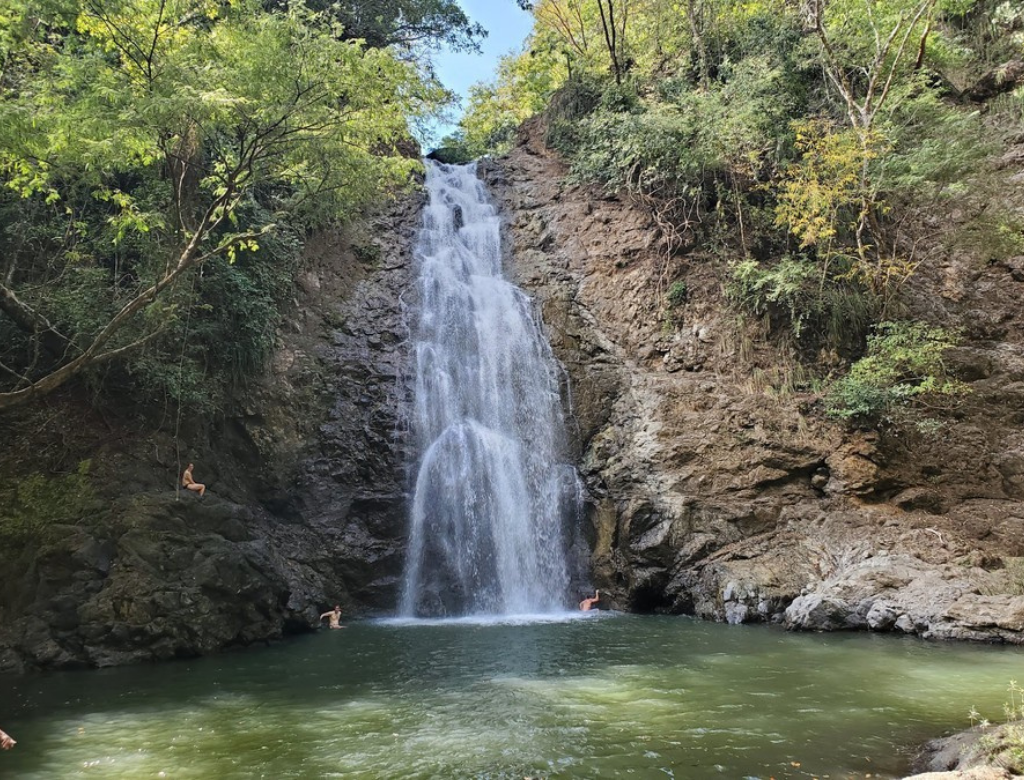
Santa Teresa waterfall surrounded by tropical forest in Costa Rica
Santa Teresa gets a lot of attention for surfing — and the surf is genuinely good. But if that’s all
you’re planning around, you’re leaving a lot on the table.
The town sits on the southern tip of the Nicoya Peninsula, one of the world’s designated Blue Zones. It’s small, unhurried, and has a mix of things to do that works for different kinds of travelers — active, relaxed, nature-focused, or some combination of all three.
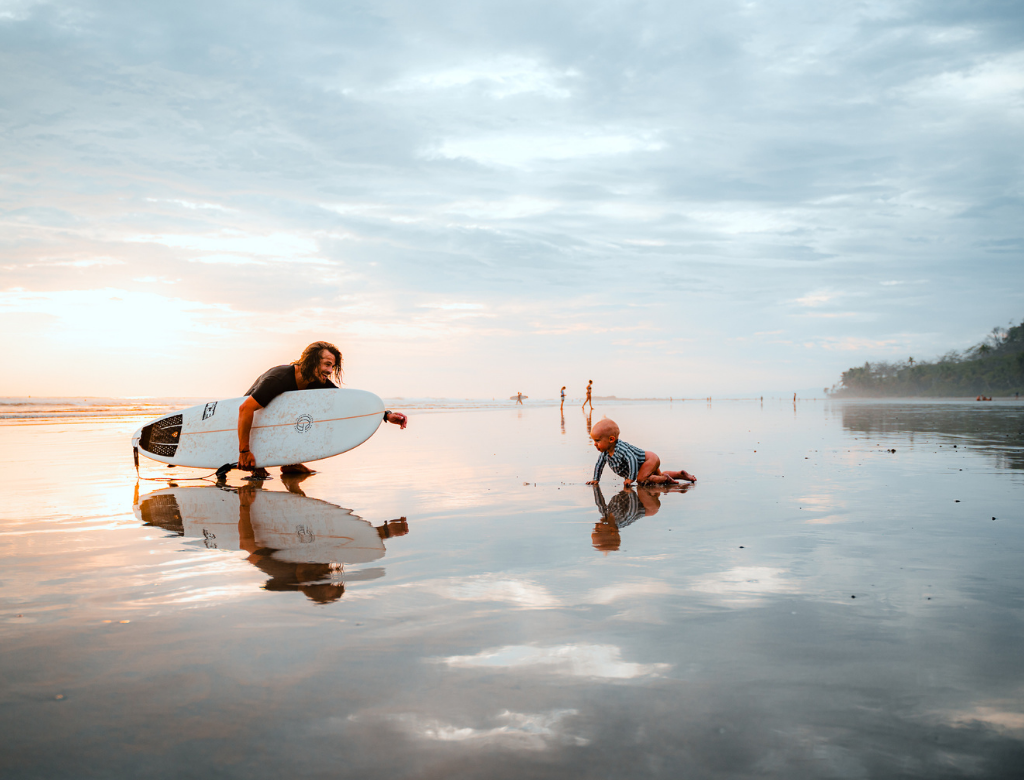
Santa Teresa consistently ranks as one of the best surf destinations in Costa Rica. The beach break at Playa Carmen is long, waves are consistent, and water temperature sits around 27–29°C (80– 84°F) year-round. No wetsuit needed.
For beginners, this is one of the more forgiving places to learn on the Pacific coast. Surf schools operate directly on the beach. For intermediate and advanced surfers, Playa Hermosa (just south) picks up more swell, and Mal País has reef and point breaks for experienced riders.
If you’re staying at Hotel Trópico Latino, the beach is right in front. You don’t need to drive
anywhere.
Best time to surf: Dry season (December–April) brings cleaner morning conditions. Green season (May–November) brings bigger, more powerful swell.
Several local operators offer rides along the beach and through surrounding jungle. Most last one to two hours. No experience required — the horses used for tourist rides are calm and the guides know the terrain.
Early morning and late afternoon are the best times. Midday heat is rough on both horses and riders. Your hotel can point you toward a reliable local operator.
Santa Teresa has a solid wellness scene for a small beach town. Multiple studios offer daily classes, and several practitioners work with visiting travelers.
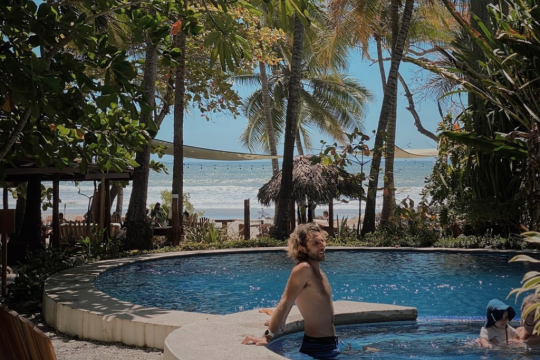
At Hotel Trópico Latino, the on-site Integrative Wellness program offers yoga and bodywork sessions on property. For travelers who want to add wellness without committing to a full retreat, the area makes it easy — single classes, massages, or a few sessions throughout your stay.
Practical tip: Morning classes fill faster. Book a day in advance if you have a preferred time.
The Saturday farmer’s market is worth going to at least once. Local vendors sell fresh produce, homemade food, and artisan goods. It starts early and wraps up by midday.
For dining, Shambala Restaurant at Hotel Trópico Latino is located directly on the beachfront. Chef Randy works with locally sourced ingredients, including produce from the hotel’s own garden. Weekly events worth knowing about:
– Mezcal Monday: Special Mexican menu and live music, 6–8:30 PM
– Saturday Grill Night: Grilled dishes and live music, 6–8 PM
– Sunday Seafood Special: Fresh seafood from 12 PM, live music 6–8 PM
Cabo Blanco Nature Reserve is the oldest protected reserve in Costa Rica, about 11 km south of Santa Teresa. Trails run through primary and secondary forest down to a remote beach. Howler monkeys, capuchins, coatis, and a range of birds are common. Closed Mondays and Tuesdays.
Wildlife around the hotel itself is more present than people expect — howler monkeys pass through tree lines in the early morning, iguanas are common, and during nesting season (roughly July–December), olive ridley sea turtles come ashore on certain beaches nearby.
Tide pools along the rocky sections near Mal País are worth exploring at low tide.
Montezuma is about 12 km southeast — smaller, more bohemian, with a waterfall worth visiting. The hike takes 20–30 minutes from town. A solid half-day trip.
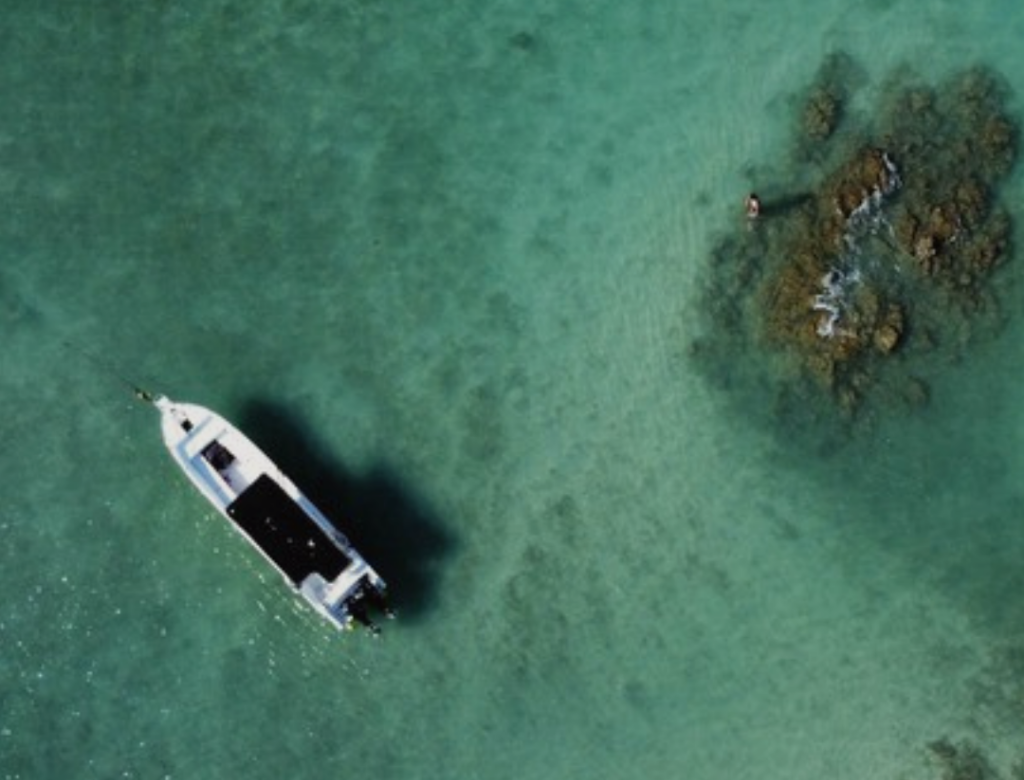
Isla Tortuga is a boat day trip, usually departing from Montezuma or Tambor. Clear water, white sand, and good snorkeling. Works well for groups or families.
Mal País is just a few kilometers south with a quieter feel and some of the better reef breaks in the area. Worth a visit even just for lunch and a different stretch of beach.
Most tour operators in Santa Teresa can organize transportation and guides. Your hotel can help connect you with reliable local options.
Playa Carmen runs for several kilometers in each direction and doesn’t get wall-to-wall crowded. There’s room to find a quiet spot, watch the surf, read, or do nothing.
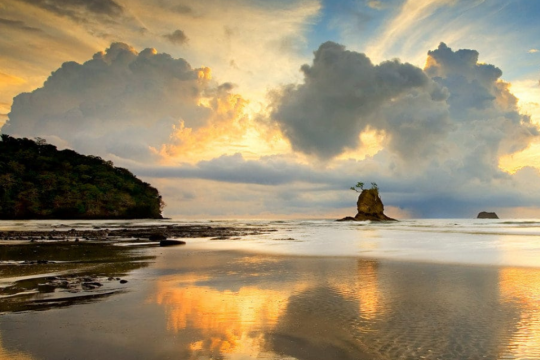
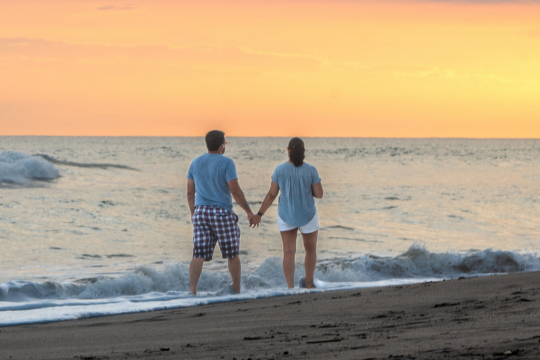
The beach faces west. Sunsets are consistent and worth being outside for. Low tide exposes more sand and makes for easier long walks. High tide brings waves closer and is better for swimming in certain spots. Check tide times if you’re planning a long stretch.
Getting around Santa Teresa. The main road runs through town. You can walk most of it, but renting a quad (ATV) or scooter makes it easier to reach spots further out. A 4×4 vehicle is recommended if you’re doing day trips that involve dirt roads.
Cash and connectivity: Some smaller vendors still prefer cash. ATMs exist in the area but can run out. Bring some colones or dollars. Wi-Fi is available at the hotel and most restaurants, but cell service can be inconsistent.
Ocean safety: The Pacific current can be strong. Ask locals or your hotel about conditions before swimming in unfamiliar spots.
Is Santa Teresa good for non-surfers?
Yes. There’s plenty to do — yoga, horseback riding, nature reserves, food, day trips, and simply being on a good beach. Surfing is the main draw, but it’s not the only one.
Is Santa Teresa safe for families with kids?
Generally yes. The town is small and low-key. The main things to watch for are road conditions (the main road has potholes and traffic from ATVs) and ocean safety. Some sections of the beach are calmer than others — ask locals or your hotel staff about the best spots for kids to swim.
Do I need to rent a car or ATV?
Depends on your plans. If you’re staying at a beachfront hotel and don’t plan to do many day trips, you can get by on foot or by taxi. If you want to explore Cabo Blanco, Montezuma, or spots further out, having your own transportation makes it significantly easier.
What language do people speak in Santa Teresa?
Spanish is the primary language. English is widely understood in hotels, restaurants, and tourist-facing businesses. Learning a few basic Spanish phrases is appreciated but not required.
Is the water safe for swimming?
Some sections yes, some no. The beach has strong currents in certain spots, particularly during high tide. Ask your hotel or a local surf instructor about safe swimming areas before going in.
How many days should I spend in Santa Teresa?
Five to seven days gives you enough time to surf, explore, rest, and do at least one day trip without feeling rushed. Three days is workable if you’re focused, but you’ll likely wish you had more time.
Do I need to rent a car or ATV?
For day trips and spots further out, having your own transportation helps significantly.
Hotel Trópico Latino is located directly on Playa Carmen in Santa Teresa. For booking and information: